
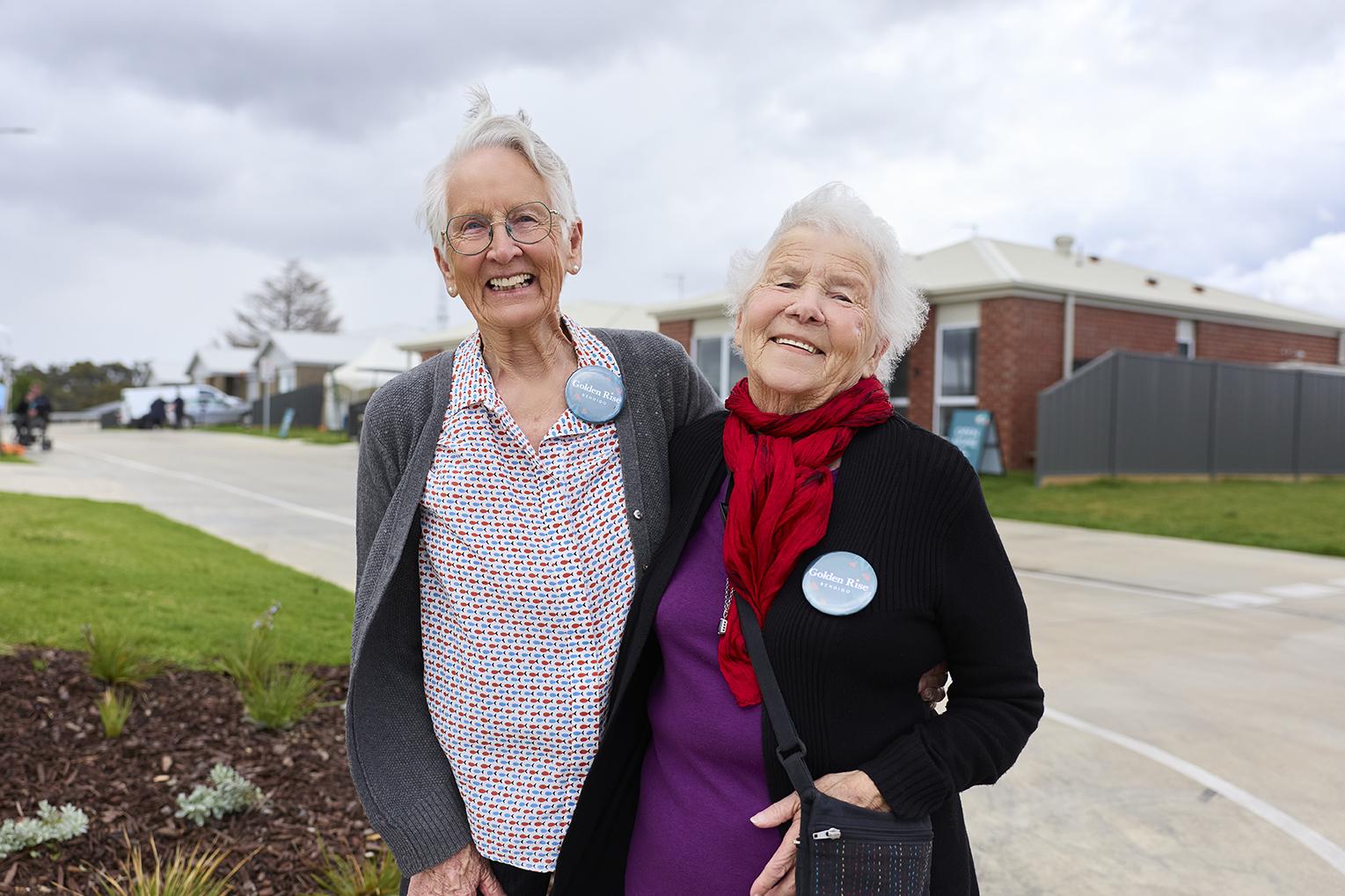
Retirement villages are helping older Australians remain independent while providing access to support as their needs change.
For many older Australians, moving into a retirement village is not simply about downsizing. It can also provide a stronger sense of community, easier access to services and reassurance that help is available when it is needed.
The transition can be particularly significant for people who have spent their lives living and working on farms or in other large family homes.
Ivan, 85, spent more than five decades managing sheep, cattle and cropping enterprises across New South Wales and Victoria. He and his wife, Anne, lived independently until a series of strokes forced him to reconsider his future on the land.
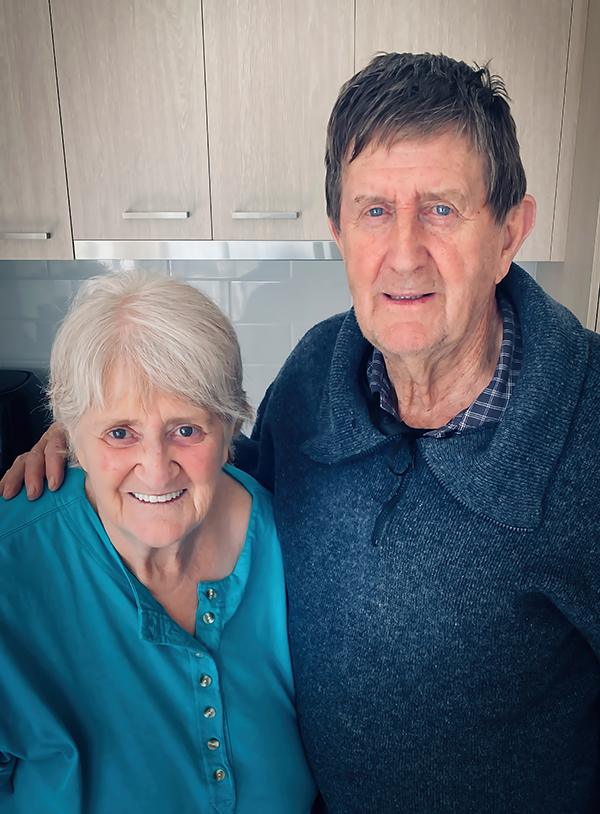
“I said that’s it, my farming days are over, and I’ve got to make the most of it,” Ivan said.
The couple sold their farm and equipment to one of their grandsons, keeping the property in the family, before moving into Mercy Health’s Golden Rise Retirement Living village in 2026.
Anne said the move had reduced the practical pressures of maintaining a larger home while giving the couple access to support.
“Downsizing has been truly wonderful,” she said.
“We’ve moved here and we only have to push a button to get help. There’s also less I have to clean and worry about.”
Retirement villages commonly provide residents with private homes alongside shared facilities and social activities. Depending on the village, services can include community spaces, shops, cafes, wellbeing facilities and access to staff who can assist with support needs.
The number of Australians aged 85 and over is expected to triple in the next 40 years, according to the 2026 Intergenerational Report. In Greater Bendigo, the 75+ population is forecast to grow 57 per cent between 2021 and 2031.
Mercy Health
For residents and their families, the availability of further care can also be an important consideration when choosing where to live.
Mercy Health executive general manager residential operations Joanna Skonieczna said retirement living could help older people maintain their independence while planning for potential changes in their health or circumstances.
“Retirement living gives people like Ivan and Anne the independence of their own home with the reassurance that support is right there when they need it,” Ms Skonieczna said.
“It’s also an important first step in a person’s journey with us.”
Ms Skonieczna said Golden Rise residents could receive priority access to co-located residential aged care homes if their care needs changed and a room was available.
“That means they can transition to residential care knowing they’ll be looked after with the same compassion and kindness they’ve already come to know from Mercy Health,” she said.
The move has also allowed Ivan and Anne to remain active in their local community.
Ivan takes part in Mercy Health’s iGen mentoring program, where he shares his knowledge of farming and animal husbandry with secondary school students. He also attends community morning teas and spends time on woodworking, furniture restoration and other practical projects.
Anne regularly visits the village hub, where she meets other residents and connects with people with similar interests.
The couple have six children, 11 grandchildren and six great-grandchildren. Their experience reflects the importance of considering future housing and care needs before a major change in health or circumstances occurs.
For people considering a retirement village, factors such as location, costs, available services, community facilities, contract terms and access to additional care can help inform the decision.
Mercy Health’s Golden Rise Retirement Living village includes a range of facilities and services designed to support residents’ day-to-day needs.

Robert is the founder of AustralianSenior.com.
He studies Journalism and Communications at USC and studied TV Presentation at NIDA. He is passionate about advocating for seniors and presenting non-biased, fact-based news to enable those over 50 to thrive in an increasingly complicated digital world. He covers all areas of life and style, from pop culture to the economy, travel, and events with a passion for supporting rural and regional destinations and opportunities. If it's worth reading, it's worth writing about.
He loves to travel the globe and is a recently diagnosed, late-in-life Type 1.5 LADA Diabetic.